
TU Dublin Launches Next Phase of PPI Ignite Network with Community and Patient Partners
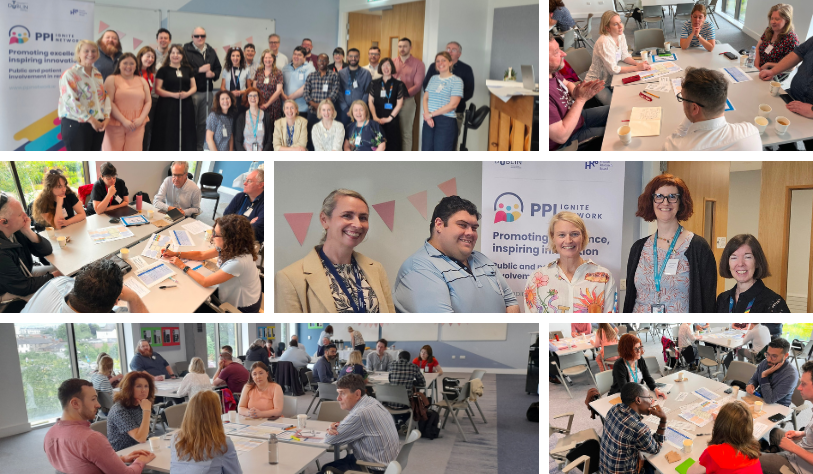
TU Dublin hosted the first meeting of its local partners to formally launch the university’s lead site for Phase II (2026–2031) of the Health Research Board (HRB) funded PPI Ignite Network. The event brought together representatives from TU Dublin’s partner organisations and TU Dublin researchers and PhD students to mark the beginning of the next phase of collaboration aimed at strengthening Public and Patient Involvement (PPI) in health and social care research.
Welcoming attendees, Dr Dympna O’Sullivan, Vice President for Research and Innovation at TU Dublin, highlighted the importance of partnership and co-creation in ensuring that research is informed by the experiences and priorities of patients, service users, carers, and communities.
Representatives from eight of TU Dublin’s ten partner organisations attended the meeting: Men's Health Forum in Ireland; St John of God Research Foundation; Irish Platform for Patients' Organisations, Science and Industry (IPPOSI); The Liberties Community Project; Dementia Research Network Ireland; Fighting Blindness; St John of God Community Services; and Coeliac Society of Ireland. The remaining partners, Enable Ireland and Irish Society for the Prevention of Cruelty to Children (ISPCC), complete the local partner group.
The meeting showcased a range of ongoing PPI initiatives being undertaken by TU Dublin researchers and partner organisations, demonstrating the value of involving patients, service users, and community members throughout the research process.
A key feature of the event was a co-design workshop led by PPI co-lead Patrick Fitzgerald and academic co-lead Dr Emma Murphy. The workshop provided partners with an opportunity to contribute directly to the development of the PPI Ignite at TU Dublin lead site, helping to shape priorities, activities, and approaches for the next five years.
The launch marks an important milestone for TU Dublin and its partners as they work together to advance meaningful public and patient involvement in research, ensuring that research outcomes are relevant, inclusive, and responsive to community needs.