
Kenneth Culhane
Kenneth Culhane is a Michelin-starred chef and graduate in Culinary Arts from Cathal Brugha Street TUDublin, whose journey from the family farm of North Kerry to leading one of London’s most respected dining rooms is rooted in craft, education and a deep respect for nature.
Now Head Chef at The Dysart Petersham, Kenneth is recognised for cooking that is classical in technique, driven by seasonality and deeply connected to place.
In this alumni interview, he reflects on growing up in Kerry, the impact of his time at TU Dublin, and the experiences and mentors that shaped his career at the highest level of the industry.
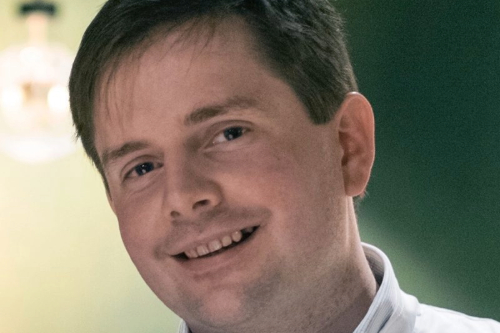
My time at Cathal Brugha Street, TU Dublin was foundational. When I enrolled in the BA (Hons) Culinary Arts degree, it was the highest level of education available for chefs in Ireland, and I wanted to understand hospitality beyond just cooking.
The programme gave me an early appreciation of the complexity of the industry — leadership, business, systems and responsibility. Those elements are critical when running a restaurant today. Lecturers such as James Carberry were hugely influential, encouraging curiosity, ambition and informed decision-making. TU Dublin helped me develop confidence and the belief that excellence was something you could actively pursue.
Being the first in my family to attend third level was hugely significant. I grew up in Ballydonoghue Parish in North Kerry, where education was valued, but food was never seen as a career — football certainly came first.
College broadened my horizons. My parents were incredibly supportive, and studying in Dublin changed how I viewed my future. It gave me confidence to think internationally and to believe that a career at the highest level of the industry was possible.
Growing up on our family farms in North Kerry shaped everything. Life revolved around the land — understanding the soil, the seasons and what the land needed at any given time. That instilled in me a deep respect for good husbandry and for produce that comes from a true understanding of place.
Food and farming were inseparable. Meals followed long days making hay, gathering turf from the bog or working through harvests. Food was about nourishment, community and celebration rather than luxury. That connection still underpins my cooking today — I want my food to feel like nature as a beautiful entity on a plate.
I remember my mother and grandmother cooking, preserving and baking on the farm. Hospitality was warm and generous, and the table was always a place of connection.
As a child, I was fascinated by watching Darina Allen on television and seeing how she created simple, beautiful food using local and foraged ingredients. Food was never separate from life on the farm — it was part of its rhythm — and that understanding stayed with me.
My early kitchen experiences taught me discipline, humility and commitment. While still in my first year at college, I pushed to secure a placement at Restaurant Patrick Guilbaud, despite concerns that it might be too demanding.
That environment introduced me to precision, restraint and classical technique at the highest level. It showed me the standards required in top kitchens and confirmed that excellence is built through focus, repetition and respect for the craft.
Yes — almost immediately during my time at Patrick Guilbaud. It was my first experience of Michelin-starred cooking and the first time I saw food used to communicate nature, emotion and artistry through technique. From that point on, I knew this was the level I wanted to work at.
Great cooking exists at the intersection of craft, creativity and discipline. Technique provides structure, discipline ensures consistency and respect for ingredients, and creativity allows expression. Without discipline, creativity lacks substance; without creativity, technique becomes hollow.
Hospitality is one of the most hands-on and demanding industries, and the pressures today are greater than ever. Many excellent businesses struggle in the current climate.
For us, balance comes from responsibility — living thoughtfully, responsibly and well. Sustainability, careful management, respect for suppliers and clear values allow creativity to exist within a structure that enables a business to endure.
Absolutely. Hospitality is part of our DNA in Ireland. There is a natural warmth, generosity and desire to nurture that comes instinctively, and it’s something Irish chefs bring with them wherever they work in the world.
Take your time — this is not a sprint. Educate yourself if you have the opportunity and develop your mind as much as your hands. Stay curious, ask questions, work smart, remain humble and surround yourself with people who raise standards. Responsibility and opportunity go hand in hand.
It would be something very simple and rooted in home — freshly baked treacle bread, farmhouse butter, and wild smoked salmon or hot smoked mackerel. Food like that carries memory, comfort and a deep sense of place, and that matters most to me.