
Environmental Surveillance of Bird Enclosures at Dublin Zoo
In the 2025/26 academic year, Katie Butler, a final year student from the TU875 Pharmaceutical Healthcare programme at TU Dublin worked with Dublin Zoo to complete a project on environmental surveillance within bird enclosures.
The collaboration was led by Dr Elena Alexandra Alexa, Lecturer at the School of Food Science and Environmental Health, Faculty of Sciences and Health at TU Dublin, and supported by TU Dublin’s Sustainability Action Lab programme.
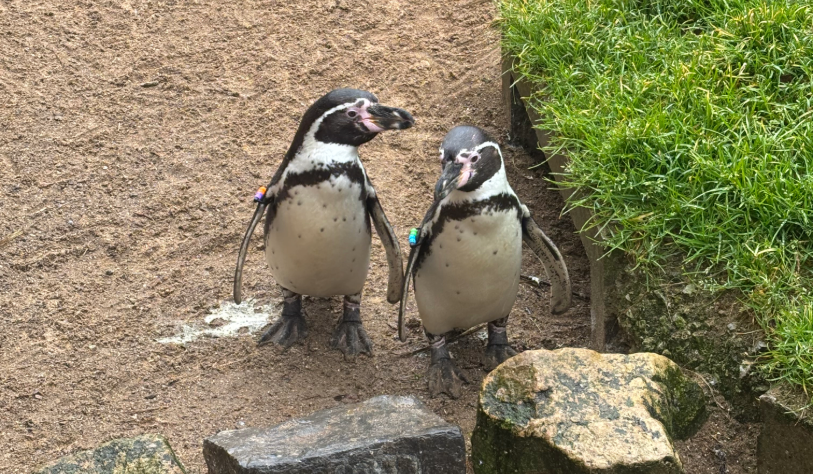
As part of her final year project, Katie Butler conducted Environmental Surveillance of bird enclosures at Dublin Zoo to study pathogen transmission and antimicrobial resistance. The study focused on bird enclosures of the Humboldt penguins, Chilean flamingos and Waldrapp ibis across four timepoints from January to March 2026, in which both water samples and environmental surface swab samples were collected.
This project empowered real world student learning that connected student knowledge of Pharmaceutical Healthcare with the United Nations (UN) Sustainable Development Goals (SDGS), within the unique and specialised setting of Dublin Zoo. This beneficial impacts of this projects were in line with SDG3 Good Health and Wellbeing, SDG6 Clean Water and Sanitation and SDG15 Life on Land.
Advancing sustainability through One Health research
Through this collaboration, the student gained valuable experience applying the One Health approach. For Dublin Zoo, the project contributes research-driven solutions tailored to address its specific sustainability challenges and operational needs.
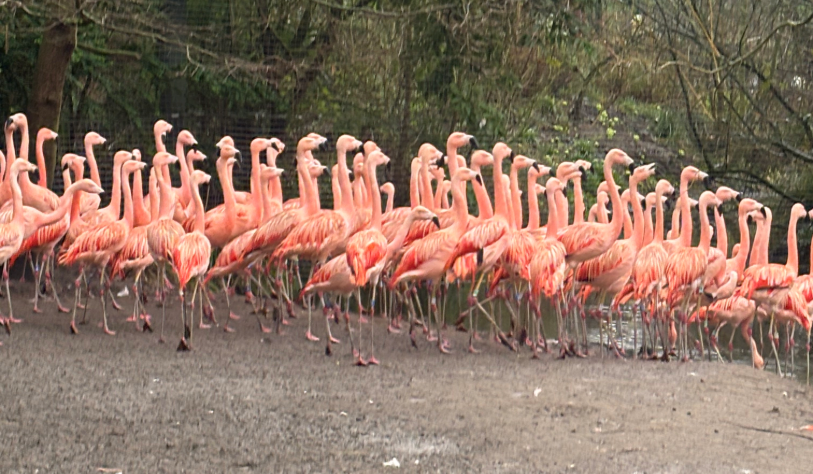
This collaboration was important for sustainability as some sustainable measures were proposed to Dublin Zoo to be implemented to control the spread of pathogens and antimicrobial resistance in bird enclosures at Dublin Zoo. Some of these sustainable interventions included, enhanced water management practices and recirculation, targeted sanitation of environmental contamination hotspots and antimicrobial stewardship within zoological veterinary practices.
TU Dublin student Katie Butler said:
“Working on such an interesting project in collaboration with Dublin Zoo has been an amazing educational and personal experience. Working alongside the staff at Dublin Zoo was wonderful and I would like to acknowledge my supervisor Dr. Elena Alexa for her continued support and guidance through this project.”
Dr. Elena Alexa said:
“The experience with Dublin Zoo strengthened students’ ability to think critically about how to mitigate the risks of pathogenic and antimicrobial-resistant organisms affecting bird welfare in a real-world context. By exploring bird enclosures at Dublin Zoo, the student recognised the complexity of balancing animal welfare, environmental conditions, and microbial risks. This project deepened awareness that sustainable measures require systems thinking and informed decision-making to protect both bird welfare and the surrounding environment.”
Andrew Mooney, from Dublin Zoo said:
Collaborating with TU Dublin on this project has provided invaluable insight into environmental pathogen surveillance and antimicrobial resistance across Dublin Zoo. The research supported our ongoing commitment to animal welfare, environmental sustainability, and evidence-based management practices. It was particularly rewarding to support student-led research that contributes to the broader One Health approach, benefiting animals, staff, visitors, and the environment alike.”
SDG Alignment
This collaboration supported several Sustainable Development Goals (SDGs), including:
- SDG 3: Good Health and Wellbeing - Ensure healthy lives and promote well-being for all at all ages
- SDG 6 Clean Water and Sanitation – Ensure access to water and sanitation for all
- SDG 15 Life on Land - Sustainably manage forests, combat desertification, halt and reverse land degradation, halt biodiversity loss
Each Sustainability Action Lab project is underpinned by:
- SDG 17: Partnership for the Goals - Strengthen the means of implementation and revitalize the Global Partnership for Sustainable Development
- SDG 4: Quality Education - Ensure inclusive and equitable quality education and promote lifelong learning opportunities for all
GreenComp Alignment
The project also aligns with specific competences from the "GreenComp sustainability competency framework including
- Embodying Sustainability Values
- Embracing Complexity in Sustainability
- Acting for Sustainability
|
Competency Area |
Competency |
Descriptor |
|
Embodying sustainability values |
Promoting nature |
To acknowledge that humans are part of nature; and to respect the needs and rights of other species and of nature itself in order to restore and regenerate healthy and resilient ecosystems |
|
Embracing complexity in sustainability |
Critical thinking
|
To assess information and arguments, identify assumptions, challenge the status quo, and reflect on how personal, social and cultural backgrounds influence thinking and conclusions. |
|
Acting for sustainability |
Collective action |
To act for change in collaboration with others |
This collaboration was supported by the Societal Engagement and Sustainability Education teams and through the Higher Education Authority’s Strategic Alignment of Teaching and Learning Enhancement (SATLE) fund.