
School of Media Students Present at the First All-Ireland Student Sustainability Research Conference 2026
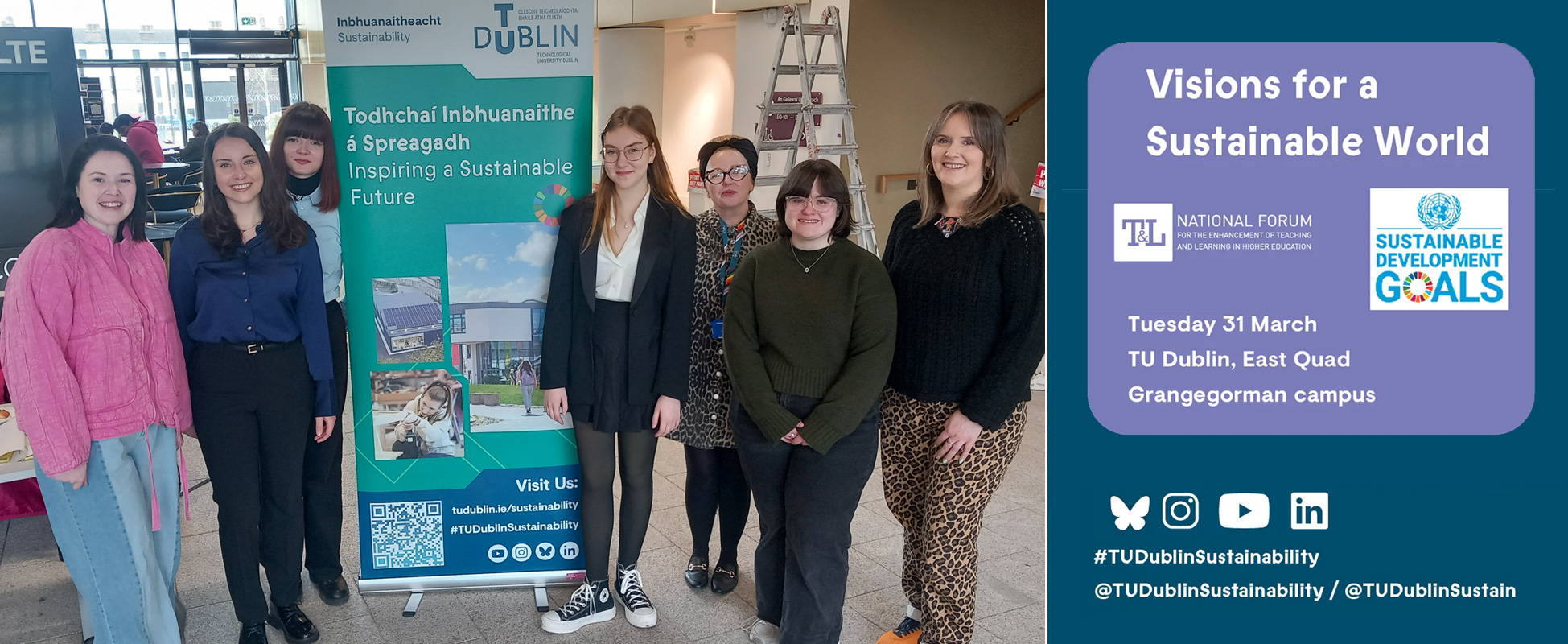
Congratulations to all the School of Media students who presented at the inaugural All-Ireland Student Sustainability Research Conference 2026, hosted at TU Dublin's Grangegorman campus on Tuesday 31st March 2026. The conference was organised by the Sustainability Education team at TU Dublin and brought together student researchers from across the island to share sustainability-focused work.
Creative Digital Media - Undergraduate, Blanchardstown Campus
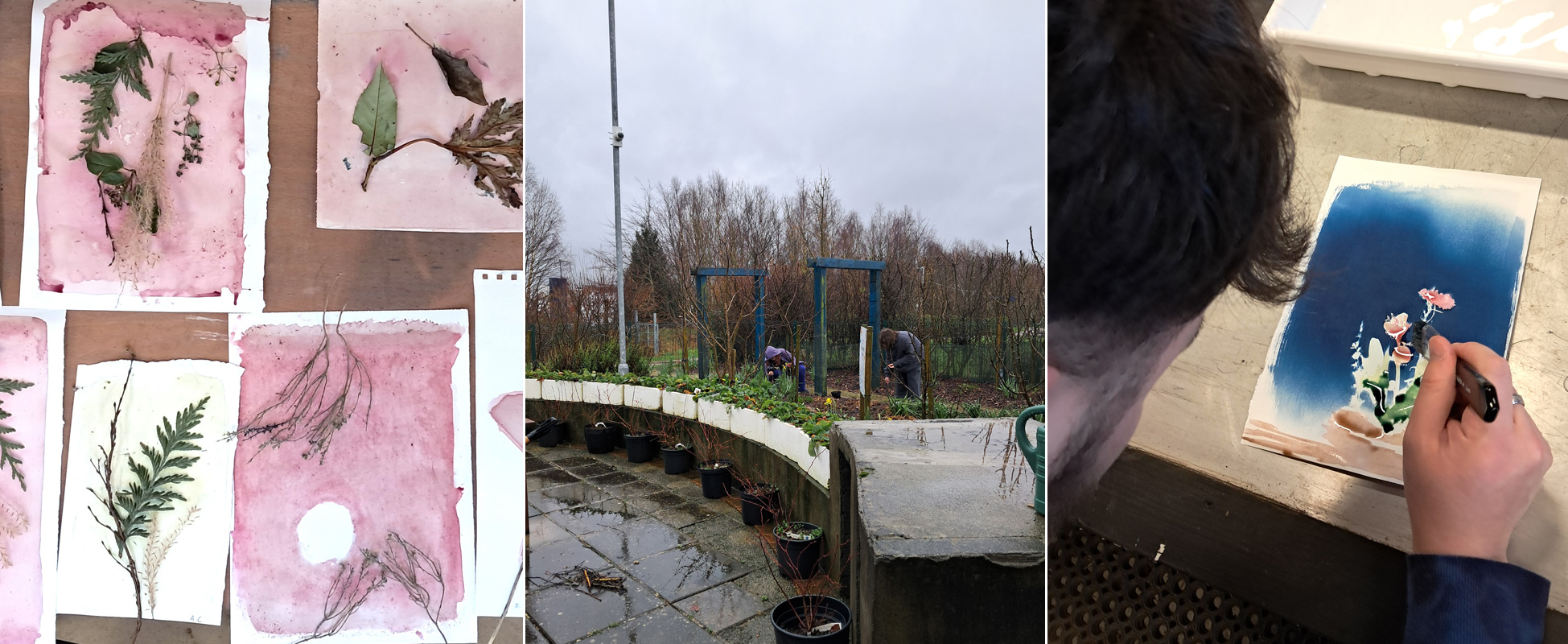
Year 3 Creative Digital Media student Arwen Carney contributed to the National Student Sustainability Research Conference as part of the Photography & The Environment module. The class, along with their lecturer, Sinéad Curran have embarked on a community engaged research learning project, partnered with Global Action Plan, who run the Glas Community Garden, located on the TU Dublin Blanchardstown campus.
Arwen is engaging with the garden as a site of response, exploring practices of growing, plant biodiversity, ecosystems, soil health, water, and broader ecologies. This collaborative project is building awareness of community gardens, environmental research through the lens of a “darkroom garden” that utilise analogue photographic processes in their research. The project considers UN SDG15, Biodiversity and Ecosystems, whilst also aligns with SDG4, SDG13 and SDG17.
Creative Digital Media & UX - Postgraduate, City Campus
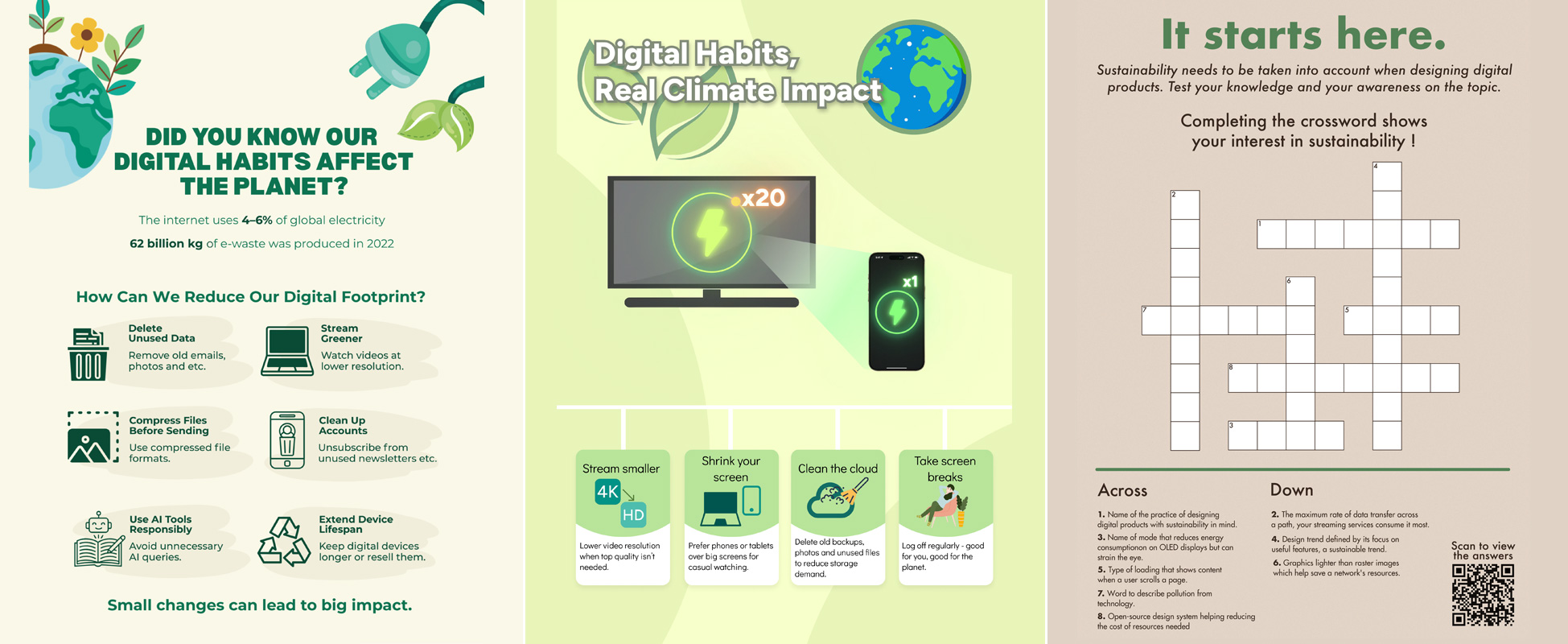
Postgraduate students Anna Valerie Smeljanski, Marie Matiwejko, and Daniela Meller presented research from the User Interaction Design module, facilitated by lecturer Niamh O’Hora.
Their presentation explored a question many of us overlook: what is the true environmental cost of the digital technologies we use every day? The students submitted posters for the EUt+ Ideas Competition for Energy Savings Posters, and are designing interactive solutions that encourage more conscious use of technology to reduce digital carbon footprint. Their research was further informed by the Digital Collage Sustainability Workshop during TU Green Week, facilitated by Sara Carroll, which highlighted the environmental impact of digital technologies - from the energy needed to manufacture devices and power data centres, to the water consumed in cooling servers, the greenhouse gas emissions across global supply chains, and a growing e-waste crisis.
Screen Industry Practice - Undergraduate, City Campus
Undergraduate students Ayla O’Neill and Jennifer Healy of the first cohort in BA Screen Industry Practice, shared the results of their analysis of Sustainable Development Goals within the screen industry while studying the Business Sustainability Module led by lecturer Carrie Ann Moran.
Ayla's presentation examined career sustainability in the Irish screen industry, questioning current structures through the lens of SDG 3 and SDG 8. She critically assessed the industry's resilience on cultural change and explored how Screen Ireland's ESG framework should be impacting structural change for sustainable careers. She advocated alternative working models, including job sharing and flexible working arrangements, as practical sustainable pathways to maintain a career in the industry. Her final point argued that lasting change requires knowledge in effective leadership, with best practice leadership training embedding a core principle of cultural change.
Jennifer's presentation explored barriers for working‑class people to enter and sustain careers in Ireland’s TV & Film industry, highlighting issues such as unpaid internships, precarious freelance work and payment terms, Dublin‑centric opportunities and access to education. These challenges directly intersect with UN Sustainable Development Goal 8 (Decent Work & Economic Growth) and Goal 10 (Reduced Inequalities). Her presentation aimed to understand how class structures influenced access to creative work and explored practical steps that could have made the Irish TV & Film industry more equitable, such as more transparent hiring practices and recognition of socio-economic background as a protected characteristic in equality legislation. Ensuring fair and equal access to cultural work was presented as a sustainability issue, as a diverse TV & Film industry strengthened social inclusion, supported long‑term workforce resilience and ensured that Irish storytelling reflected the full breadth of society.