
The Future of Work and HR - Steve Cadigan returns to TU Dublin
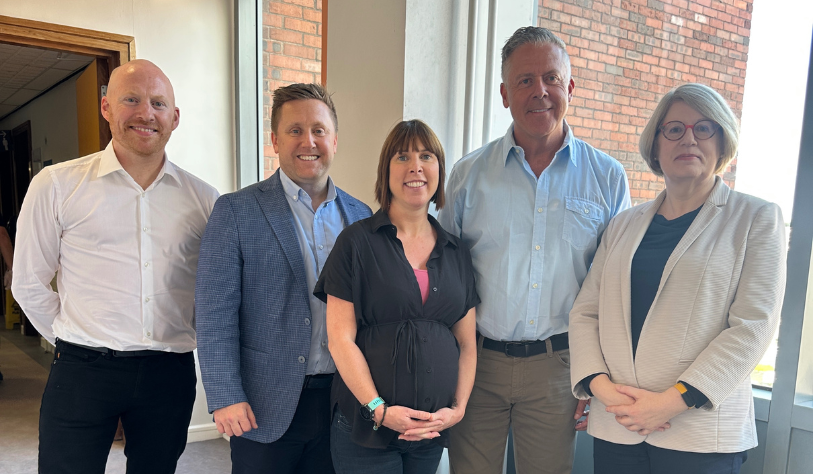
On Wednesday, October 1st, 2025, TU Dublin’s Enterprise Academy, in collaboration with the Faculty of Business, proudly welcomed back Steve Cadigan, globally recognised talent strategist and founding CHRO at LinkedIn, for a keynote session on the Future of Work and HR. The event, launched by Marian Jennings, M Inst D, of the School of Management, People and Organisations, brought together HR Management students and TU Dublin enterprise partners for a dynamic and forward-thinking interactive discussion on the new reality that today we have the most fluid and disengaged workforce in history and what it takes to attract, hire and create value in an organisation that is substantially different from what it used to be.
A Welcome Return: Steve Cadigan at TU Dublin
This keynote marked Steve Cadigan’s second time speaking at TU Dublin in 2025. Earlier this year, he was a featured keynote speaker at the Future Talent Forum 2025, Next-Gen Workforce: Rethinking Learning and Development for Competitive Advantage hosted by TU Dublin’s Enterprise Academy. That event focused on how organisations can build agile, future-ready talent pipelines in the face of rapid technological and societal change where Steve explored how learning and organisational development must evolve to meet the demands of a skills-first economy.
The Future of Work and HR event was a continuation of this vital conversation about the future of work. His insights, drawn from decades of global experience and deep industry knowledge, challenged attendees to think differently about culture, talent, and leadership.
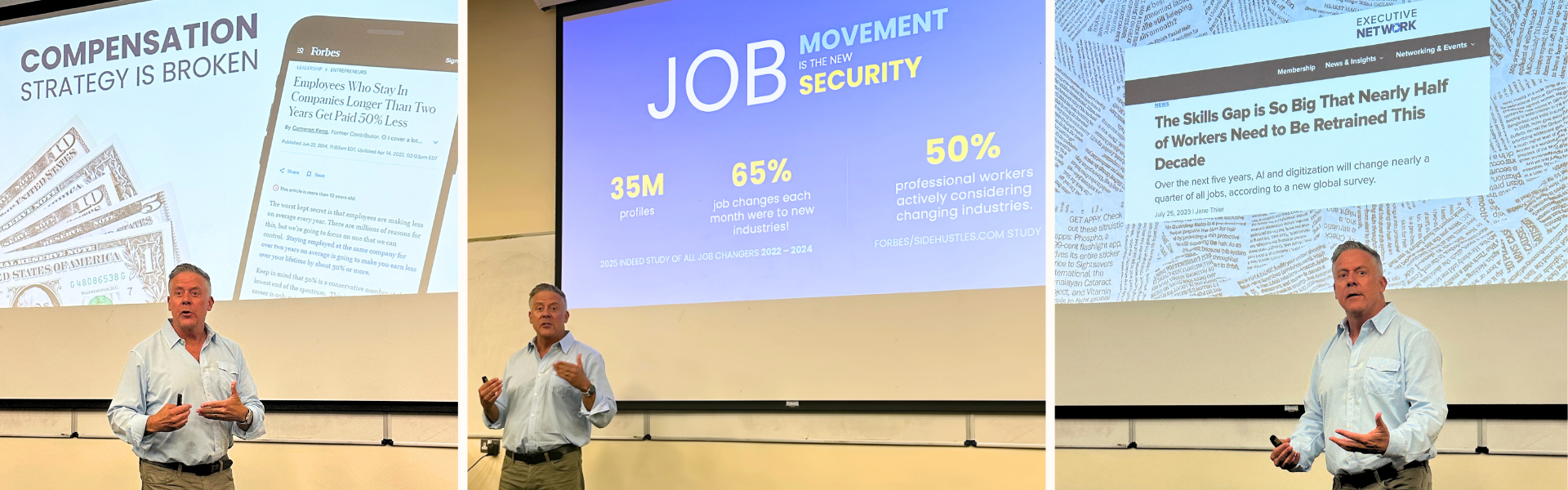
Key Themes from the Future of Work and HR
The companies that succeed today are the ones that can move fast; they adapt, adjust, and shift with ease. Yet, organisations still talk about culture using words like ‘pillar’ or ‘foundation’ terms that suggest permanence and rigidity. Instead of assuming everything will stay the same and everyone should be treated the same, organisations need to build for fluidity. They must expect change, prepare for unpredictability, and design cultures that can evolve.
Skills for the Future
Steve emphasised that the most critical skills for the future are not technical, but cognitive and behavioural:
- Adaptability
- Critical thinking
- Curiosity
- Resilience
These are the capabilities that will enable individuals to thrive alongside emerging technologies like AI.
Rethinking Workplace Culture
Workplace culture must evolve to reflect the fluid and dynamic nature of modern organisations. Traditional notions of stability and permanence are being replaced by adaptability and responsiveness. Remote work and flexible schedules challenge conventional cultural norms, requiring a shift in leadership perspectives.
The companies that succeed today are the ones that can move fast; they adapt, adjust, and shift with ease. Yet, organisations still talk about culture using words like ‘pillar’ or ‘foundation’ terms that suggest permanence and rigidity. Instead of assuming everything will stay the same and everyone should be treated the same, organisations need to build for fluidity. They must expect change, prepare for unpredictability, and design cultures that can evolve.
“We’ve got to stop treating culture like it’s permanent. We need to build for fluidity, expect crazy, and prepare for it.” Steve Cadigan
HR Strategy in a New Era
HR strategies must adapt to shorter employee tenures and the need for continuous skill development. Organisations are encouraged to invest in training, rethink recruitment timelines, and offer differentiated benefit packages to retain and develop talent effectively.
With shorter employee tenures becoming the norm, Steve advocated for a proactive HR approach:
-
Always be recruiting
-
Redesign roles for faster onboarding
-
Invest in continuous learning
Employee Retention & Career Development
Retention strategies are undergoing a major shift from promises of job security to commitments to career development. Today’s employees value growth, learning, and purpose. They’re more likely to stay with organisations that invest in their development, rather than those that simply offer stability.
Traditional metrics like tenure and longevity are no longer reliable indicators of success. Instead, organisations are beginning to measure return, re-engagement, and impact.
Steve Cadigan pointed to a key driver behind today’s high turnover: transparency. Employees now have unprecedented visibility into the job market. They can see:
- What roles are available
- How companies pay
- How satisfied employees are
- Who’s joining or leaving
- Even which executives are selling shares—signalling their belief (or doubt) in the company’s future
“Employees have more insight into companies than ever before. That visibility is empowering and it’s changing how people make career decisions. In the future, I don’t think we’ll measure success by how long people stay. Organisations need to accept that employees won’t stay forever, rethinking how to create value for employees before they leave?” Steve Cadigan
Creating value for employees before they leave might include:
- Offering tailored benefit packages
- Reimagining roles for faster onboarding
- Investing in growth opportunities that make people want to stay or even return in the future.
Emerging Career Paths
Steve highlighted the rise of non-linear careers, driven by the gig economy, blockchain, and cross-industry mobility. The future workforce will be defined by flexibility, autonomy, and alignment with personal values.
A Roadmap for Re-Thinking Talent Development
Steve’s two appearances at TU Dublin this year form a cohesive narrative. In June at the Future Talent Forum, he laid the foundation by urging organisations to rethink how they build talent through learning, skills-first strategies, and AI integration. In October, Steve expanded on this by challenging HR leaders to redefine culture, recruitment, and retention in a world where change is constant and employee expectations are evolving.
Together, these keynotes offer a powerful roadmap for how universities, enterprises, and HR professionals can co-create a future-ready workforce, one that is agile, human-centric, and built for continuous transformation.
TU Dublin is proud to continue this partnership with one of the world’s leading voices in talent strategy, and we look forward to future collaborations.