
Educating 21st Century Horticulturists in an integrated education programme
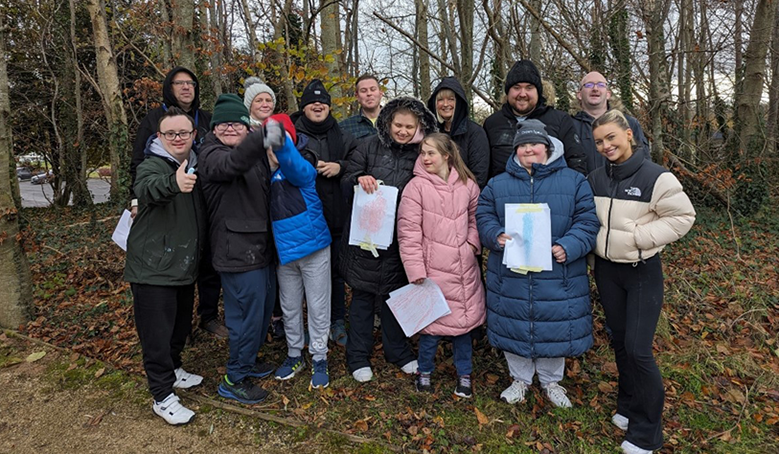
When the Education for Persons with Special Educational Needs (EPSEN) Act was announced in 2004, it offered a new sense of hope to families across Ireland, particularly those seeking inclusive educational opportunities for children and adults with intellectual disabilities. While the promise of mainstream access was clear, the reality was more complex. Nationwide, the rollout faced challenges: under-resourced facilities, limited funding, and a shortage of trained educators.
Yet, at TU Dublin’s Blanchardstown campus, a small team turned promise into progress.
For over 16 years, students and staff from TU Dublin’s Horticulture discipline have been quietly cultivating something more than plants.
In 2009, a collaboration began, driven by the vision and dedication of Siobhan Cleary (Daughters of Charity Disability Support Services, re-launched as Avista in 2021) and Fergus Comerford (TU Dublin Social Care Lecturer). When the request came to develop a module tailored for adult learners, the answer was immediate and enthusiastic. This response was made possible through the dedicated work of Horticulture lecturer Ciarnad Ryan who for many years delivered and developed the Social and Therapeutic Horticulture module. What began as a pilot in 2009, with six learners is now a thriving, inclusive learning community at TU Dublin’s Blanchardstown campus, where Avista Learners engage with multiple modules as part of their programme.
Educating 21st Century Horticulturists in an integrated education programme
Through a collaboration with Avista, School of Culinary Arts and Food Technology (SCAFT) final-year students on the BSc (Hons) in Horticulture (TU884) are working and learning together to enhance lives, both their own and those of adults with intellectual disabilities.
As part of TU Dublin’s Social and Therapeutic Horticulture (STH) module, students collaborate with adult learners from Avista, a group of individuals with intellectual disabilities who attend the Blanchardstown campus to complete a Level 4 QQI award, which includes horticulture as a core component. These learners join the STH workshops, creating a meaningful, inclusive learning environment that fosters both skill development and social engagement.
In semester 1 of the 2024/2025 academic year, Learners at Avista and TU Dublin students engaged with the Students Learning with Communities+ (SLWC+) programme, as part of an integrated education programme, rooted in the STH module.
The collaboration is centred on a shared classroom in purpose-built facilities within TU Dublin’s Horticulture complex, offering real-world, hands-on experiences for all involved.
Speaking of the collaboration, Rachel freeman said: “As a lecturer this year I found that I don't need to ensure the students involved in this SLWC+ collaboration engage, they enjoy it enough to come along weekly, prepared with engaging horticultural activities, often articulating on a Wednesday how much they are looking forward to seeing the Avista Learners the following day. The learners likewise show up weekly, happy and ready for work. In observing the learners, it is obvious to me that they enjoy the learning and interactions with the students.”
Growing together through integrated education
The goal of this integrated education collaboration is multifaceted, aiming to support educational attainment, promote integration, foster social interaction, provide potential therapeutic benefits, and more.
Many fourth-year students in the BSc (Hons) Horticulture programme opt to take the elective module in Social and Therapeutic Horticulture (STH), reflecting the growing demand for horticulturists in healthcare and community settings. With many recent graduates now working in this field, the STH module is a key elective that equips students with valuable, real-world skills.
For the students, the module offers an unparalleled opportunity to turn theory into action. They are challenged to plan, adapt, and deliver workshops that meet specific learning outcomes while being accessible to learners with a diverse range of needs. These student-led sessions are not only instrumental in helping learners complete their qualifications, but they also serve as a powerful space for building empathy, resilience, and confidence in future horticulture professionals.
And the benefits flow both ways. Avista learners, who take part in several integrated classes including drama, creative studies, and personal development, grow in their confidence, social skills, and independence.
Shared Impact - rooted in values, grown with purpose
The collaboration reflects TU Dublin’s core values of ‘excellence, inclusion, impact and respect. It aligns with specific competences from the EU GreenComp framework including; Supporting Fairness, Promoting Nature, Critical Thinking, Individual Initiative and Collective Action. These competences are central to TU Dublin’s Planet-based graduate attribute: Sustainability-focused global citizens. It also directly supports several United Nations (UN) Sustainable Development Goals (SDGs), including SDG 3: Good Health and Wellbeing, SDG 4: Quality Education, SDG 11: Sustainable Cities and Communities, and SDG 17: Partnerships for the Goals.
This is about more than teaching horticulture, it’s about transforming campus life for TU Dublin students, and the communities that they engage with, offering meaningful experiences and making education genuinely accessible for all.
Avista learners don’t just attend classes - they engage fully in campus life, joining TU Dublin Students’ Union events, participating in Sport, and socialising with students and staff at lunchtime.
For many TU Dublin students, the experience is also deeply personal and transformative.
One TU Dublin student reflected in their journal: “X* plonked himself down beside me and shook my hand, quickly relieving my awkwardness. A lovely fellow by all accounts. The atmosphere changed from one of apprehension to a feeling of joy and happiness, if I’m honest.”
Another student wrote: “Over the past 12 weeks, I’ve gained a deeper understanding of my ability to connect with others and manage my emotions in a professional setting... I am truly grateful to the learners - they’ve taught me so much.”
The results are visible not only in qualifications earned, but in friendships formed, attitudes shifted, and futures reimagined.
Graduates from the STH module are already putting their experiences into action. Recent Horticulture graduate, Robert Mc Lysaght said: I always had a desire to help people through horticulture. Working on the family nursery in Blackrock, Dublin (and later in my own nursery in Meath) I saw how horticulture helped people as we had a lot of students from Park House Stillorgan and Step Enterprises Sandyford working on the nursery. The people that came showed an affinity for the discipline and I enjoyed seeing the positive impact it had on those who learn and engage with the world differently. I now teach horticulture at St Pauls Special School, Beaumont, Dublin. The Social and Therapeutic Horticulture module gave me a comprehensive roadmap towards my goals.
A Future in bloom
In 2024/25, a new integrated module, Community Horticulture, launched as part of a cross-disciplinary education programme for learners with intellectual disabilities. Supported by the Convene Path 4 initiative, the new module will run in Semester 2 (2025/26), to follow the current STH module in semester 1, and will further expand inclusive learning opportunities and deepen the impact of horticulture as a tool for empowerment.
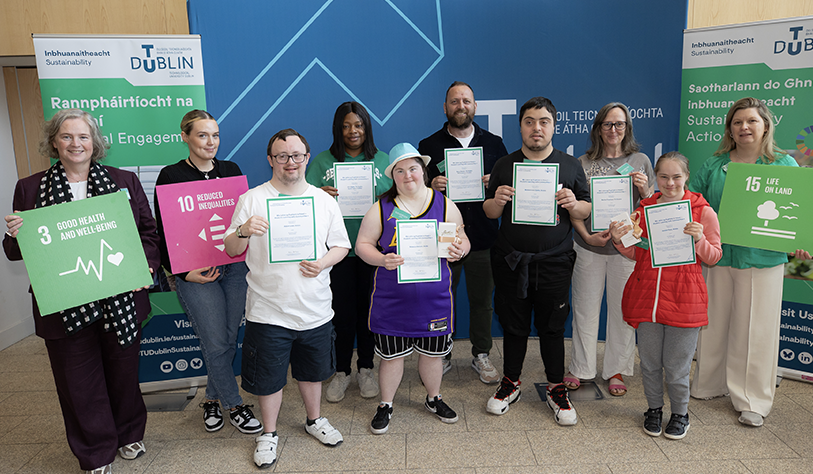
Horticulture Lecturer Rachel Freeman concluded that: “None of this would be possible without the dedication of a strong, committed network. I would especially like to acknowledge Collaboration Partners in AVISTA Caitlyn Dawson, and previously Sean Donegan; the Avista support staff, Horticulture staff Dr Christy Boylan, Michael Hagan and in particular Ciarnad Ryan who developed and delivered the Social and Therapeutic horticulture module, engaging learners and students from 2011 to 2022. Arts & Humanities Faculty Dean, Dr Orla Mc Donagh, SCAFT Management Dr Orla Mc Donagh, Dr Denise O'Leary, James Murphy, Mike O'Connor and of course, to the Avista Learners and students who show up week after week to learn, grow, and support one another”